Back to Climate Reports


Indigenous Knowledge & Climate Justice 🌍
Co-Creation & Respect 🌱
Recognizing, respecting, and integrating Indigenous and Traditional Knowledge (ITK) is not just beneficial—it's an ethical cornerstone of climate justice. Doing so upholds Indigenous Peoples' rights to self-determination, cultural integrity, and participation in decisions affecting their lands and livelihoods.
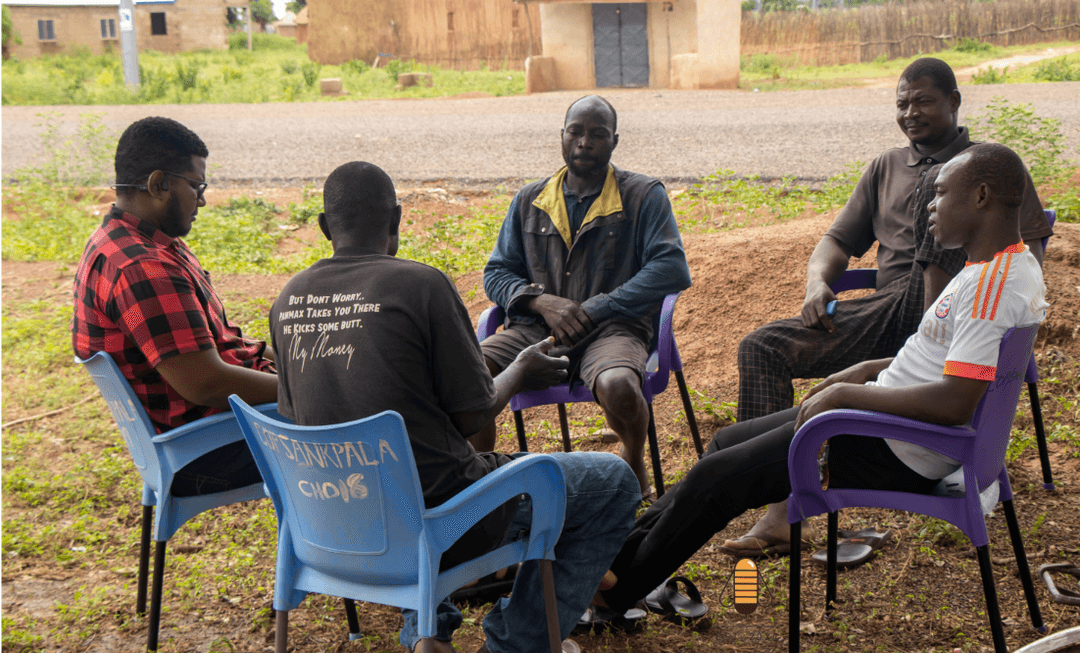
Genuine integration of ITK requires moving beyond symbolic consultation toward true co-creation of solutions and shared leadership in climate governance. Communities must not only be heard—they must help design and own the outcomes.
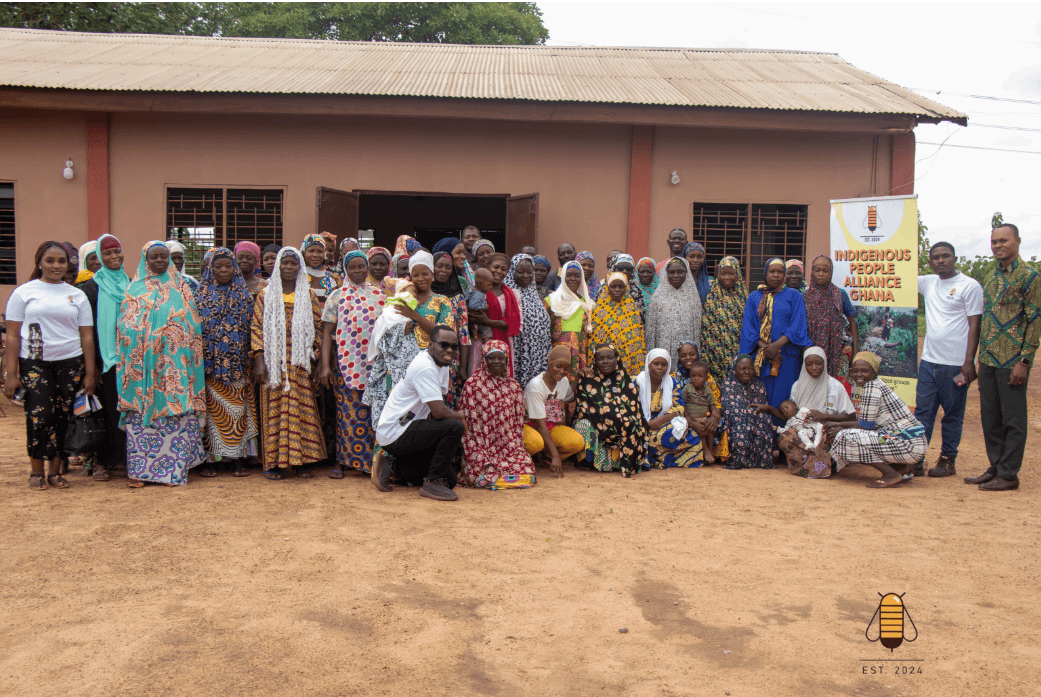
In northern Ghana, integrating Indigenous knowledge into climate strategies demands formal acknowledgment of ITK&opos;s validity alongside scientific approaches. It also means addressing entrenched power imbalances between local knowledge holders and external institutions.
Processes should ensure Free, Prior, and Informed Consent (FPIC) and include mechanisms for equitable benefit-sharing and community ownership of knowledge. These principles are essential for fostering reciprocal partnerships and achieving inclusive, lasting climate justice. 🌿
“According to UNDP, Indigenous peoples—stewarding roughly 80% of global biodiversity— face increasing threats to their lives, livelihoods, and traditional knowledge under climate change.”
Reference
Gorjestani, Nicolas. “Indigenous knowledge for development.” In Protecting and Promoting Traditional Knowledge: Systems, National Experiences and International Dimensions, p. 265 (2004).