Back to News Home


Futere of Integrating Indigenous Knowledge 🌍
Towards Just & Resilient Climate Futures
The conclusion reaffirms that Indigenous and Traditional Knowledge (ITK) stands as a living, dynamic system essential to Ghana&opos;s climate resilience. Its power lies in its holistic understanding of ecology, governance, and culture.
This exploration underscores the indispensable role of Indigenous and Traditional Knowledge (ITK)in navigating the complex challenges of climate change and achieving genuine climate justice in northern Ghana. Far from being an outdated relic, ITK represents a dynamic, sophisticated, and empirically grounded system of understanding and adapting to local ecological realities.
The practices detailed—spanning local climate monitoring and forecasting systems, climate-resilient agriculture, sustainable water and ecosystem management, and community-based disaster reduction—form a cohesive worldview that has enabled communities in the northern savannah zone to thrive for generations.
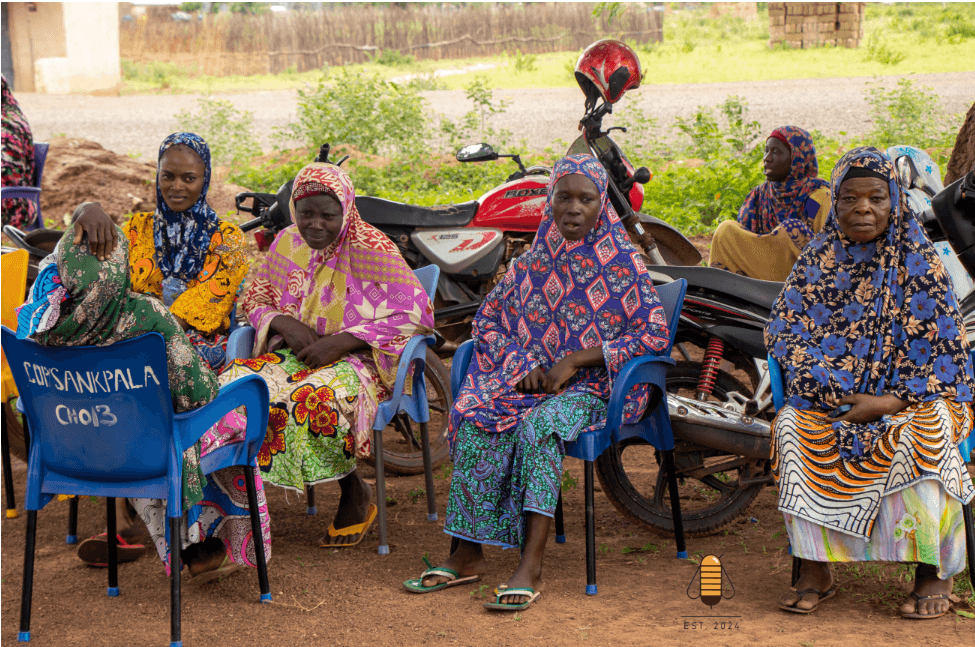
Achieving true climate justice requires moving beyond extractive or tokenistic engagement. It demands genuine partnerships where ITK holders are not mere informants but co-creators and decision-makers in climate governance. 🌿
“Sustainability will only endure where wisdom, rights, and collaboration intersect.” — Adapted from IK Inclusion Report
Future climate strategies for Ghana must create collaborative spaces that respect the rights, knowledge, and agency of Indigenous Peoples and local communities. Addressing systemic barriers, supporting intergenerational transmission of knowledge, and fostering mutual respect between scientific and traditional paradigms are essential for truly just and resilient climate policies. 🌾
Moving forward, Ghana&opos;s climate future will be strongest when grounded in both tradition and innovation — when local voices lead, and Indigenous knowledge is recognized as an equal pillar of global climate action. 🌍