Back to News Home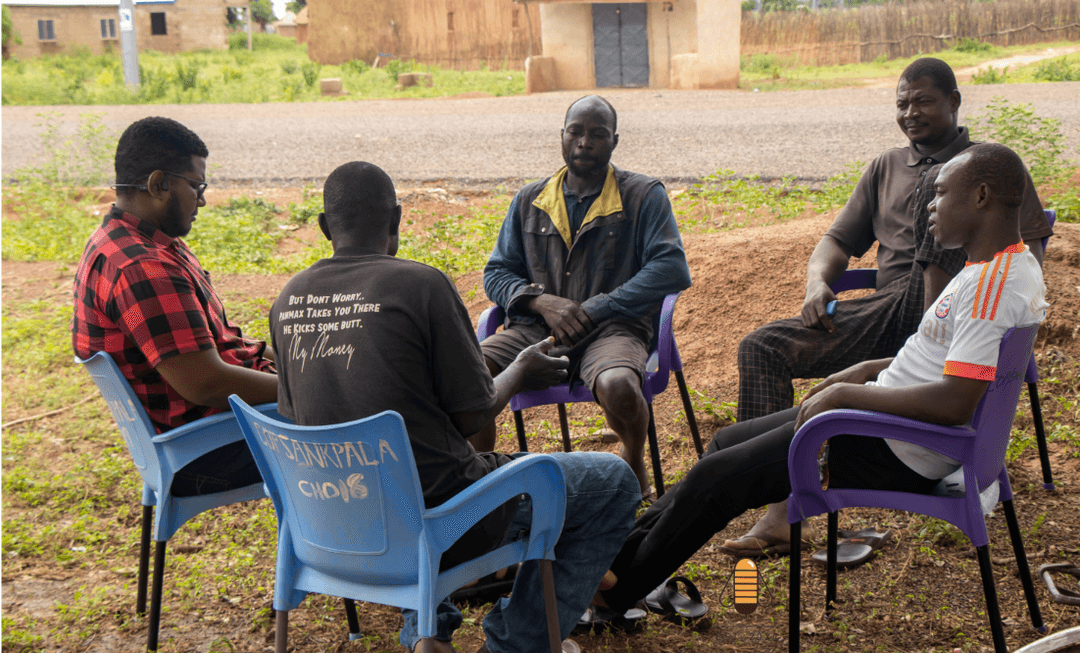
Methodologies for Uncovering Indigenous Knowledge🧠
Design Thinking Approaches
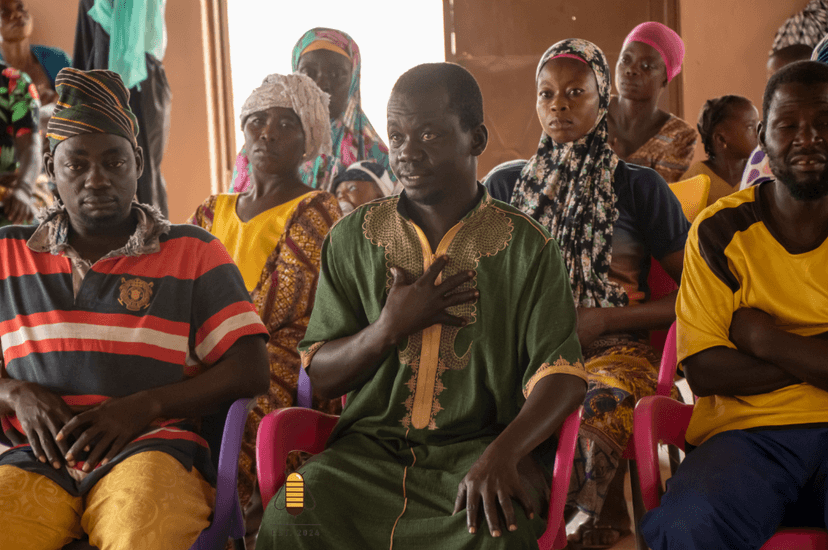
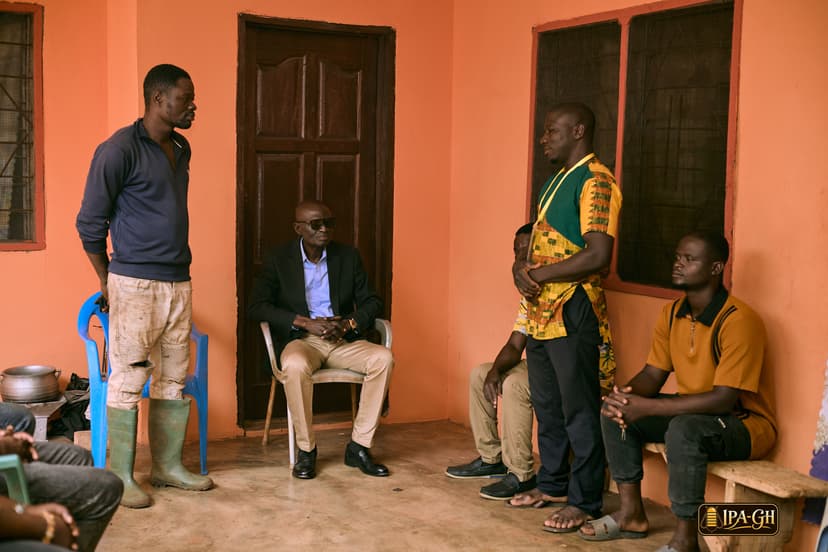
The workshop “Best Practices of Indigenous and Traditional Knowledge Inclusion in Climate Justice”adopted innovative design thinking methods — Opposite Thinking and Analogy Thinking — to surface local wisdom, challenge entrenched assumptions, and spark new ideas for climate adaptation and resilience.
Challenging Assumptions through Opposite Thinking 🔄
Opposite Thinking encouraged participants to identify and reverse commonly held beliefs about Indigenous and Traditional Knowledge (ITK) in climate adaptation. By flipping assumptions, new insights and locally relevant solutions emerged from the community itself.
- Unpredictable rains — Planting schedules no longer match delayed wet seasons, leading to failed crops.
- Seed and soil challenges — Farmers note that indigenous seeds are more resilient than imported hybrid/GMO types.
- Pests and nutrition — Lower yields mean poorer diets, aligning with UNDP’s findings on malnutrition among vulnerable communities.
“Our knowledge is like the roots of the Baobab tree.” — Elder participant, Northern Ghana 🌳
Lessons Learned 📘
- Local ITK reveals deep understanding of hydrology and equitable water distribution.
- Traditional systems model decentralized knowledge management and community-led resilience.
- Diversity and sharing are key to agricultural adaptation and sustainability in Northern Ghana.
“Forefathers sowed seeds and got bountiful harvests regardless of soil quality — today’s hybrid seeds fail without predictable rains.”
This participatory design approach demonstrates how Indigenous Knowledge (IK) can guide equitable climate justice policies when communities lead the problem-solving process. 🌾