Back to News Home
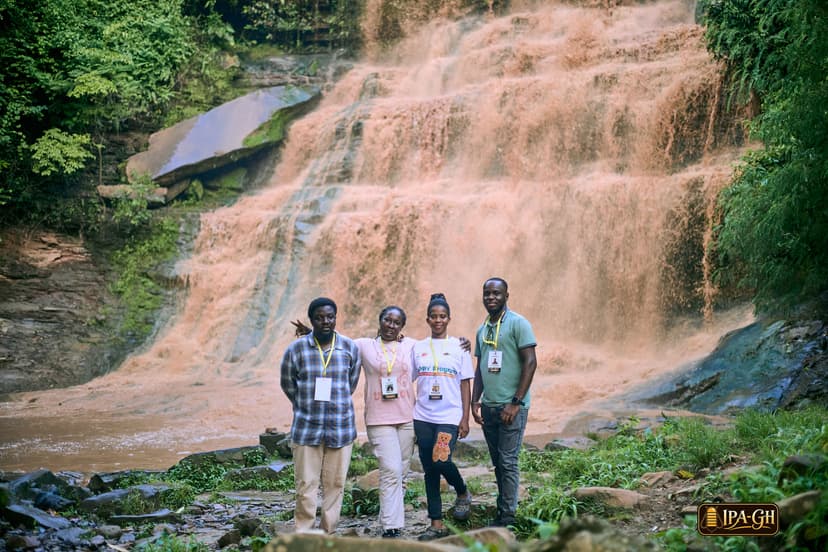
Advancing Climate Justice
Integrating Local Wisdom for a Just Climate Future
Indigenous and Traditional Knowledge (ITK) remains an invaluable pillar in addressing the intertwined crises of climate change and social inequity. Its holistic worldview unites ecology, community, and justice — offering pathways toward sustainable resilience. 🌍
This exploration underscores the profound and indispensable role of Indigenous and Traditional Knowledge (ITK)in navigating the complex challenges of climate change and achieving genuine climate justice in Ghana. Far from being an outdated relic, ITK represents a dynamic, sophisticated, and empirically grounded system of understanding and living sustainably within specific ecological contexts.
The practices detailed — including local climate forecasting, climate-resilient agriculture, sustainable water and ecosystem management,and community-based disaster risk reduction — together form an integrated knowledge system that has enabled Ghanaian communities to thrive amid environmental change for generations.
Recognizing the validity and power of ITK is only the first step. True climate justice requires moving beyond extractive or tokenistic consultation to genuine partnerships that respect the rights, knowledge, and agency of Indigenous Peoples and local communities.
“Sustainability thrives where tradition and innovation meet — when Indigenous knowledge leads alongside modern science.” 🌾
The future of climate governance in Ghana depends on the creation of collaborative spaceswhere ITK holders are empowered as co-creators of climate solutions. These spaces must be rooted in mutual respect, cultural relevance, and equity, ensuring that policies are both effective and inclusive.
Moving forward, it is imperative to address systemic barriers that hinder ITK integration, while promoting intergenerational knowledge transfer. Such collaboration will forge a climate strategy that is not only resilient but also deeply just — one that truly reflects Ghana&opos;s cultural and ecological wisdom. 🌿
As Ghana moves forward, Indigenous voices must remain central in shaping its climate future. Recognizing ITK as both heritage and innovation is the cornerstone of a fair, resilient, and sustainable tomorrow. 🌍
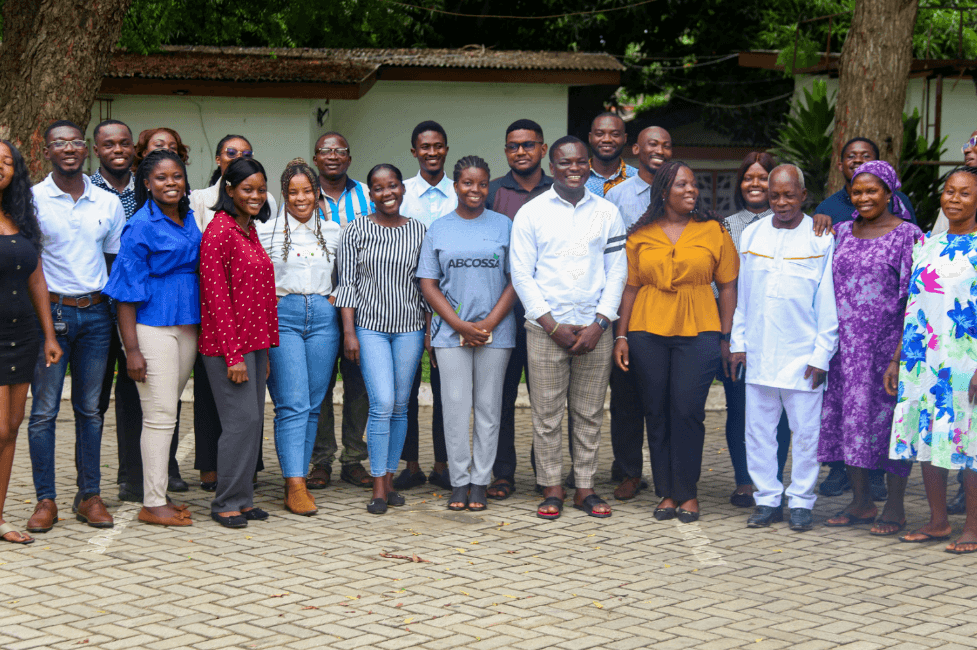
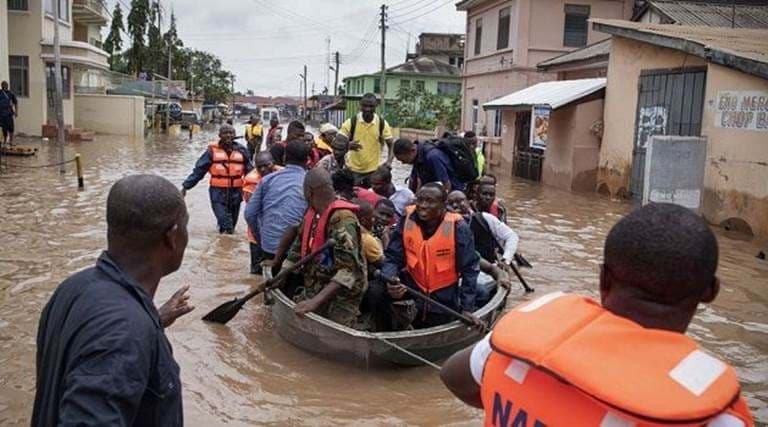
Disaster Risk Reduction and Response
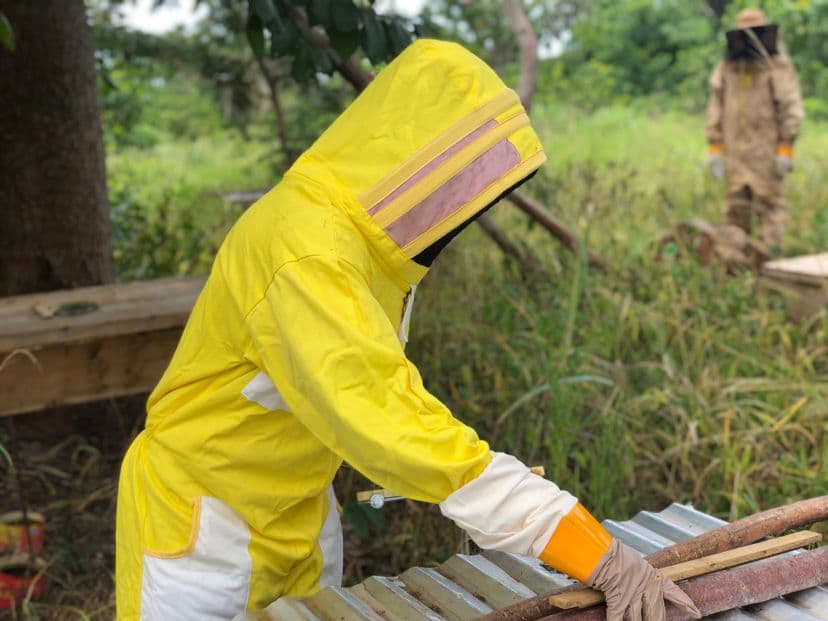
Beelieve Smart Project — Teacher Mante
Futere of Integrating Indigenous Knowledge
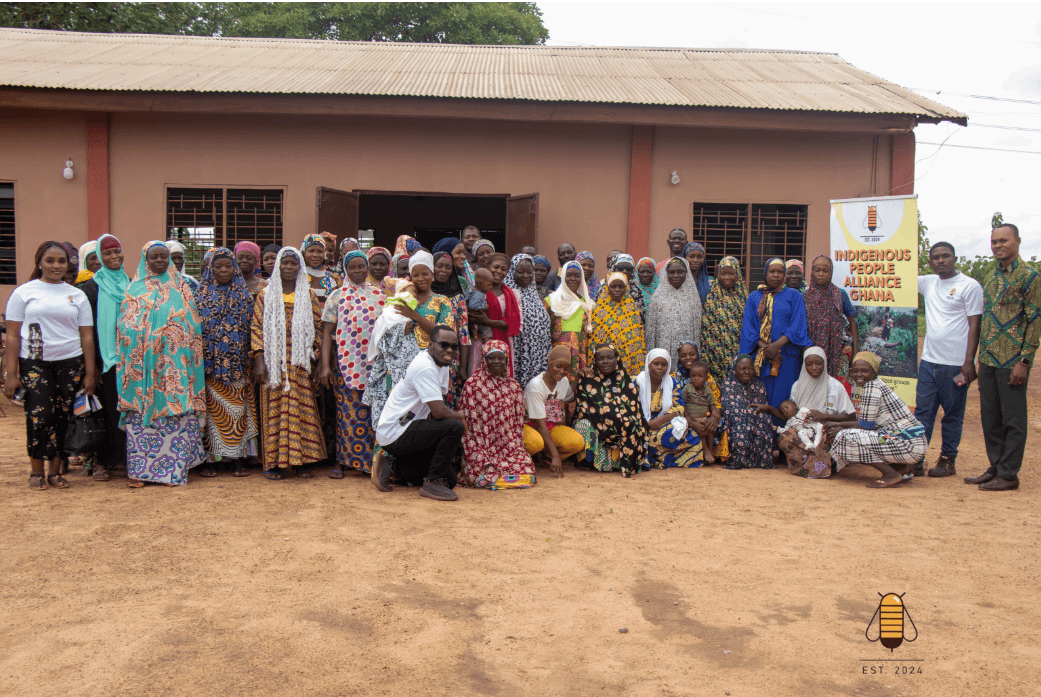
Discover the latest updates on sustainable farming projects
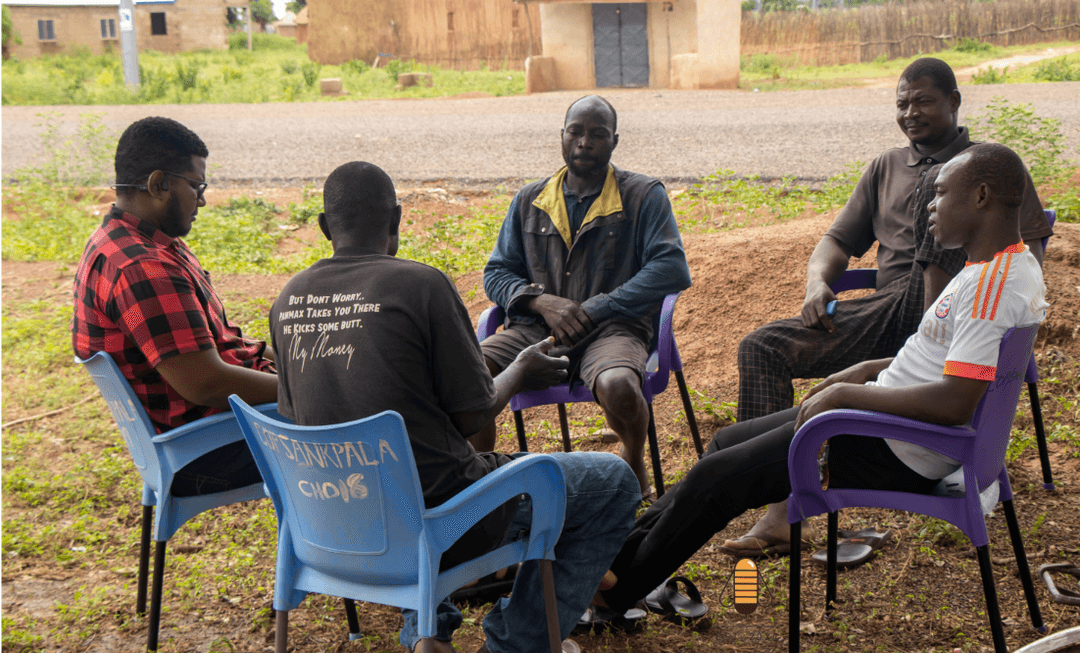
Methodologies for Uncovering Indigenous Knowledge
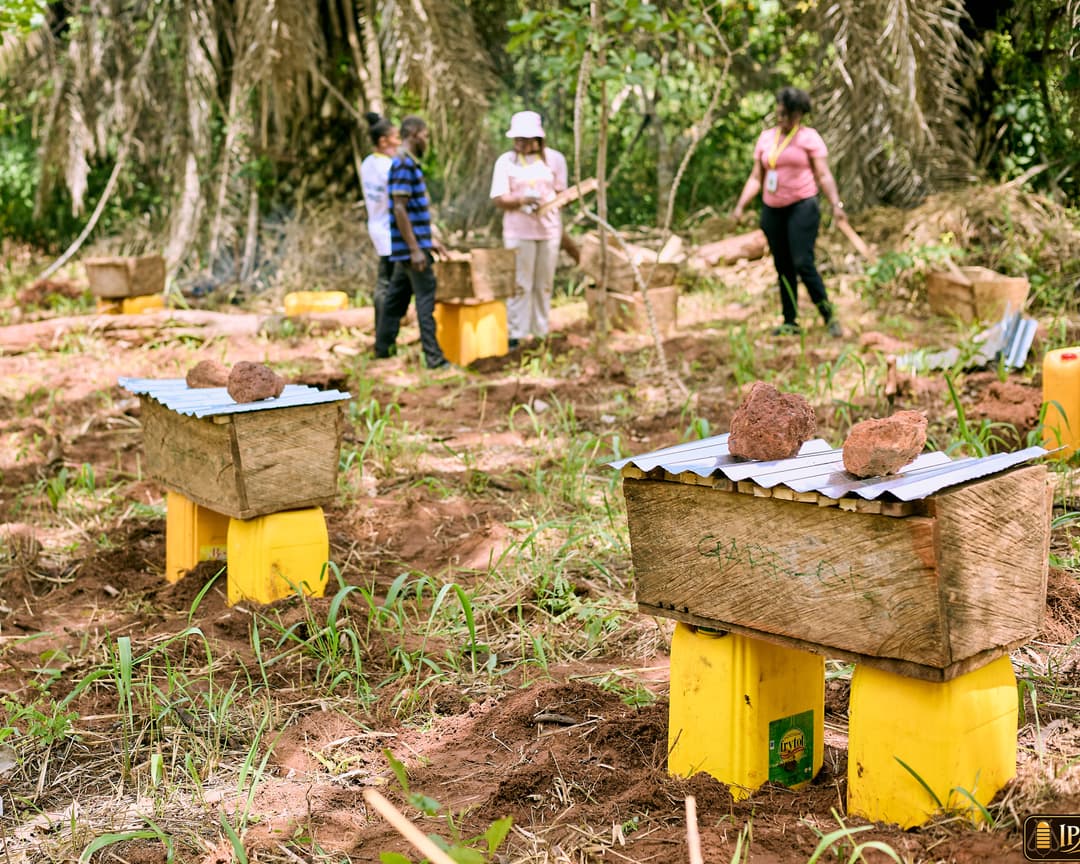
Lobbying Strategies for Climate-Affected Farmers