Back to News Home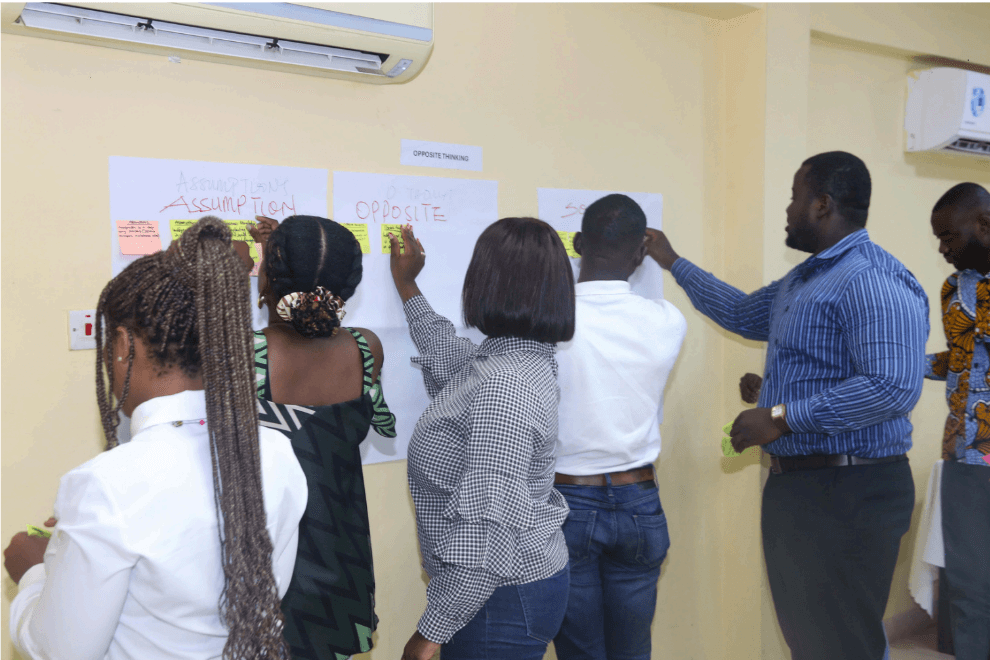
Indigenous and Traditional Knowledge in Climate Justice
Lessons from Southern Ghana
IPA-GH is a youth-led NGO empowering marginalized and indigenous communities across Ghana. The organization promotes sustainable livelihoods and inclusive climate justice for low-income, ethnic minority, and climate-vulnerable populations. For more information: info@ipagh.org.
Workshop Overview 🧭
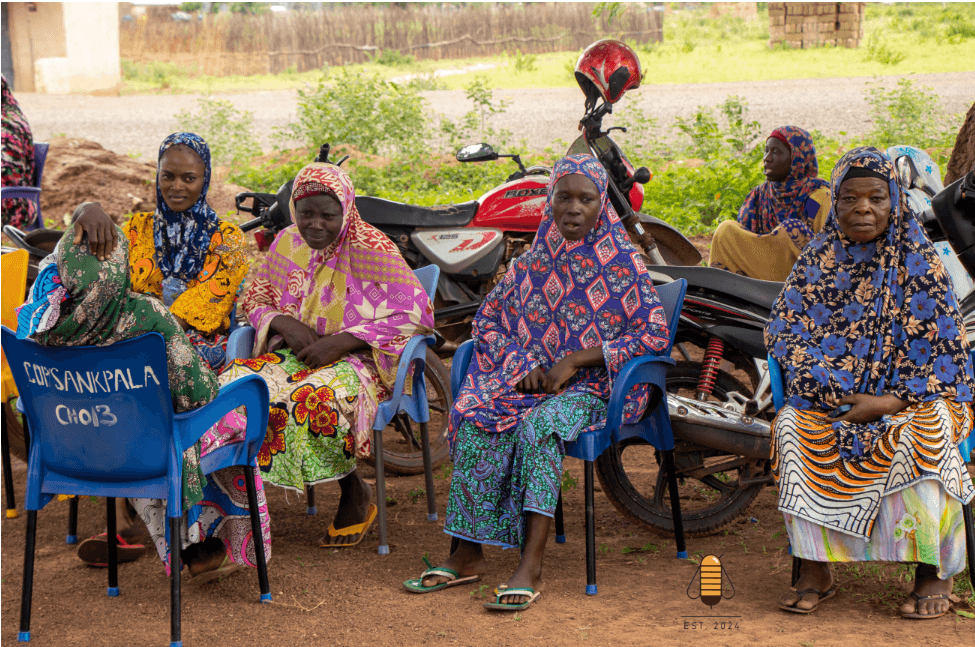
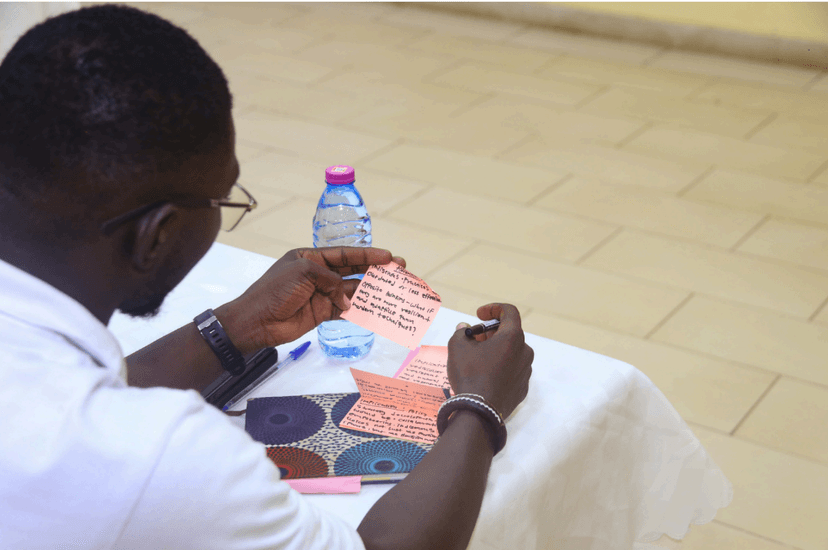
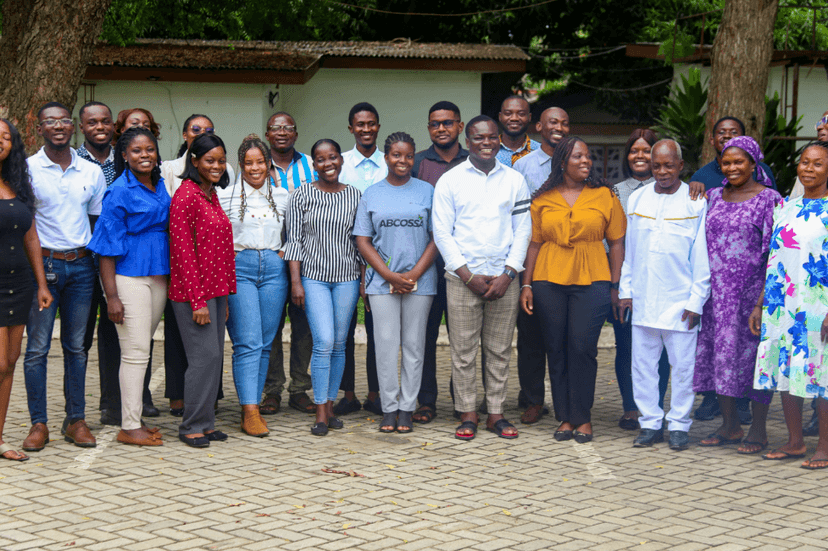
The “Best Practices of Indigenous and Traditional Knowledge Inclusion in Climate Justice” workshop, funded by the Youth Climate Justice Fund under the Marginalized Group Empowerment for Climate Justice Project, brought together community leaders, policy experts, and youth advocates to co-create solutions for inclusive climate action.
Recognizing that indigenous communities possess rich ecological wisdom honed through generations, the event sought to integrate Indigenous and Traditional Knowledge (ITK) into national climate policies and promote Indigenous leadership over token consultation.
Special Appreciation 🙌
The success of the workshop was made possible by the contributions of participants such as Patience Agyekum, Pearl Awudor, George Quinaoo, Ibrahim Latif, Akosua Korang, Doris Dzafeda, Diana Akorsu, Samuel Dzafeda, Ezekiel Satanga, Patricia Quayson, David Dantina, Azumah Samuel, and many others who shared lived experiences and community wisdom.
Foreword 🌿
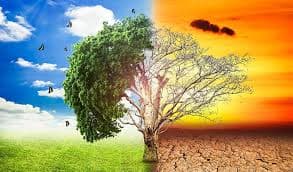
The Earth&opos;s climate system is experiencing unprecedented fluctuations driven largely by human activity. Scientific consensus from the Intergovernmental Panel on Climate Change (IPCC) confirms that industrialization and fossil fuel dependence have accelerated greenhouse gas accumulation, causing widespread warming, drought, and extreme weather.
In Ghana, climate change directly threatens agriculture, water resources, and health systems. The workshop&opos;s foreword stresses the need for inclusive strategies that go beyond scientific and technical fixes to embrace ethical, social, and cultural dimensions of climate justice.
“Climate justice is not only about emissions — it’s about fairness, equity, and the right to thrive in a changing world.” 🌎
This report reinforces that achieving climate justice requires inclusive collaboration, scientific-traditional synergy, and the amplification of indigenous leadership. Ghana&opos;s sustainable future depends on valuing both innovation and heritage. 🌾
Advancing Climate Justice 🌿
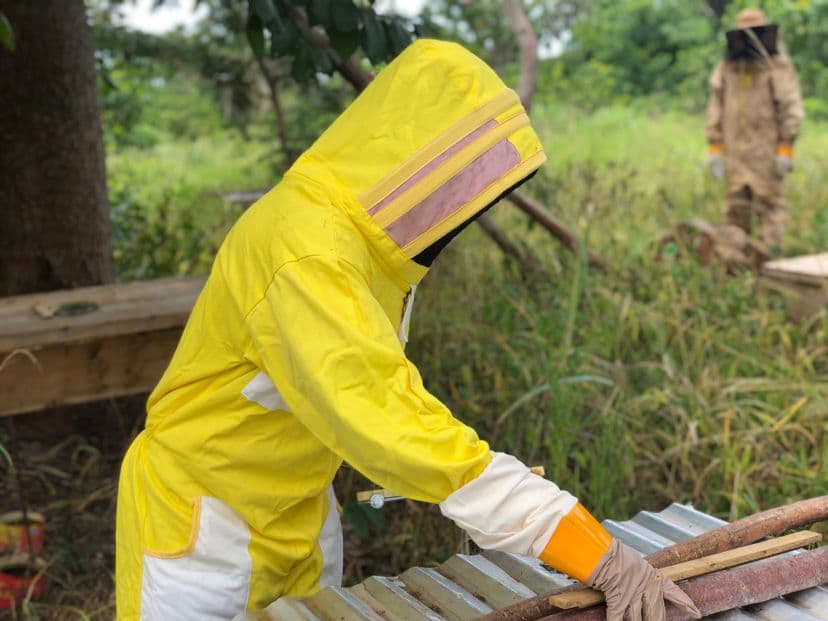
Beelieve Smart Project — Teacher Mante
Futere of Integrating Indigenous Knowledge
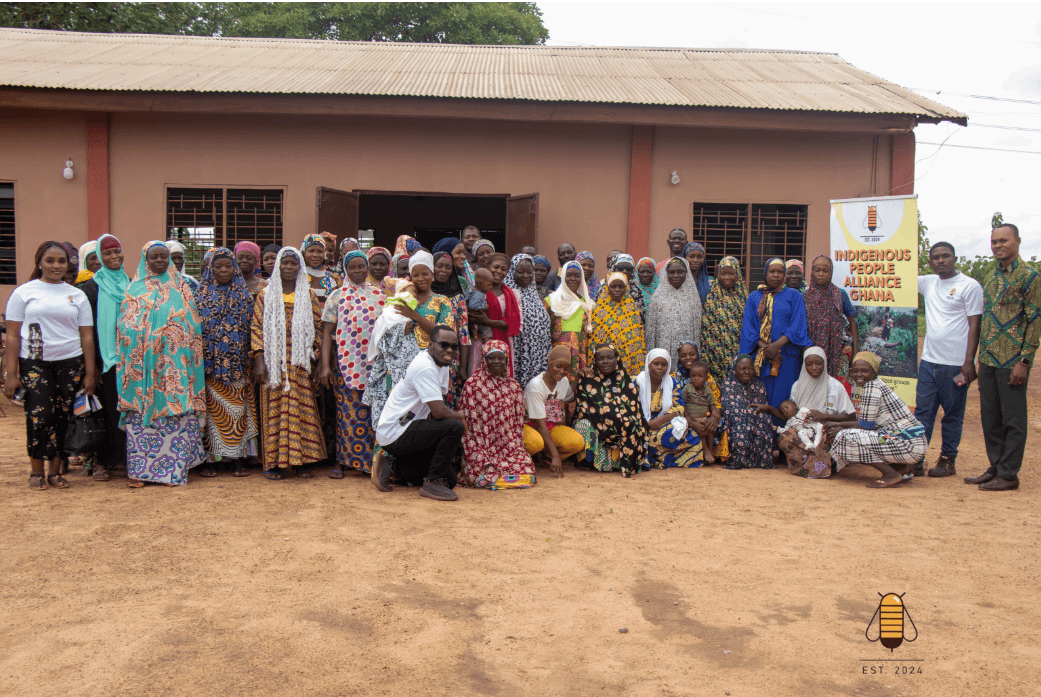
Promoting the Use of Indigenous Knowledge
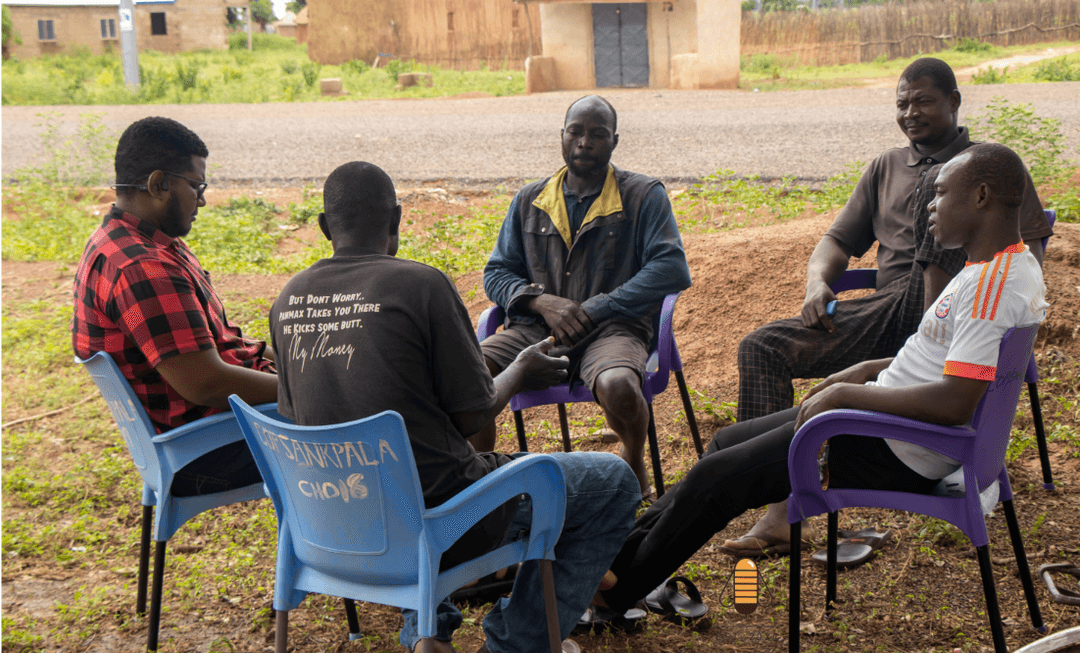
Methodologies for Uncovering Indigenous Knowledge

Lobbying Strategies for Climate-Affected Farmers

Impacts of Beekeeping in Indigenous Communities