Back to News Home
Disaster Risk Reduction and Response 🚨
Local Wisdom for Climate Resilience
Indigenous and Traditional Knowledge (ITK) systems offer time-tested strategies for anticipating, responding to, and recovering from disasters. They transform lived experience into early-warning systems, resilience practices, and community solidarity.
Community-Based Early Warning Systems 🌦️
Local environmental indicators — such as animal behavior, plant flowering, or changes in wind direction — serve as reliable early-warning signs. These signals help communities prepare in advance, whether by moving livestock, securing homes, or protecting crops from floods and storms.
Coping Mechanisms and Mutual Support 🤝
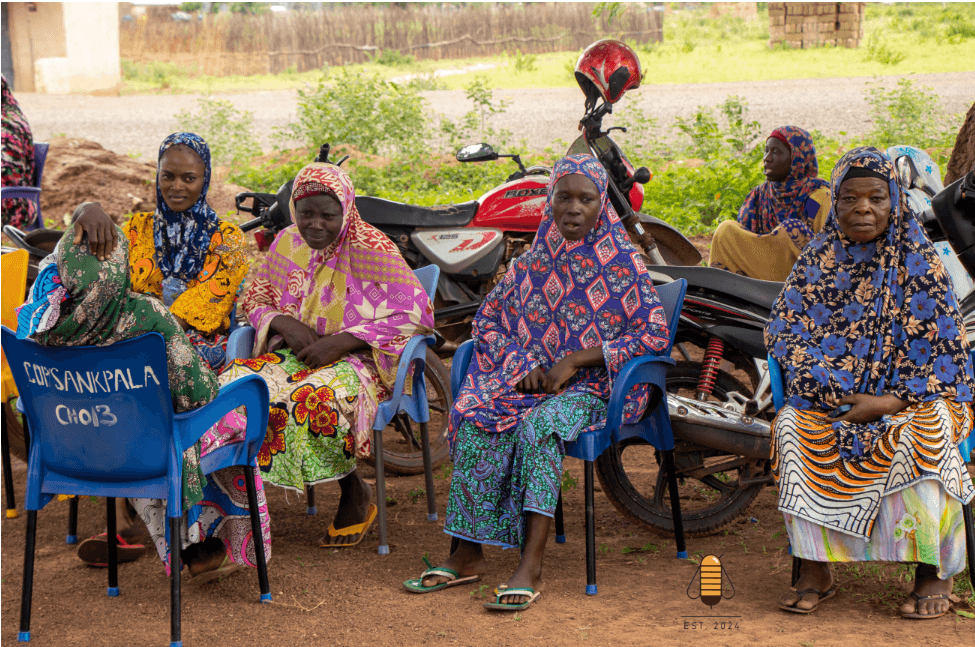
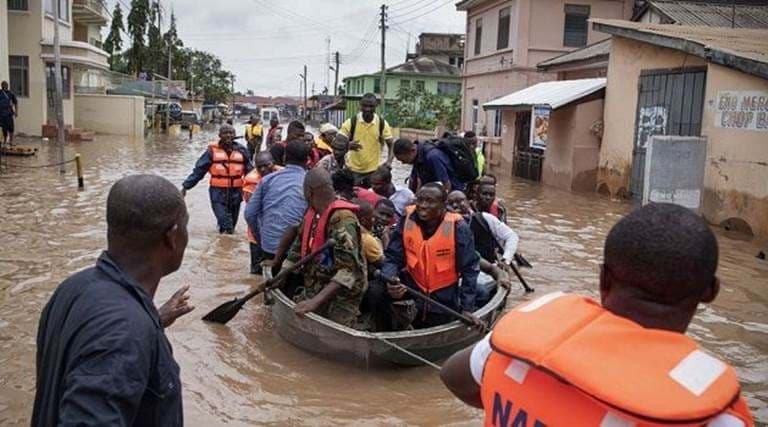
When disasters strike, ITK guides community responses through shared coping mechanisms. Knowledge of wild edibles and traditional water purification methods sustains families during droughts and floods. Community-based support systems ensure that households share resources and care for vulnerable members.
- Identifying and consuming wild edible plants during food scarcity.
- Using plant roots for water purification in flood-affected regions.
- Community-led safety nets for shared labor, rebuilding, and emotional recovery.
Post-Disaster Recovery and Rehabilitation 🛠️
After disasters, communities rely on ITK for rebuilding and restoring social cohesion. Traditional construction using local materials offers natural insulation and wind resistance. Rituals and communal activities promote psychological recovery and renew collective identity.
“When the earth cracks, we rebuild together — stone by stone, heart by heart.” — Local Elder, Northern Ghana
Recognizing and Supporting Local DRR Strategies 🌾
These community-led disaster risk reduction practices are often collective, sustainable, and deeply rooted in place-based knowledge. Recognizing, documenting, and integrating them into formal policy frameworks enhances national disaster preparedness while honoring cultural resilience.
Indigenous Knowledge offers practical, low-cost, and locally appropriate pathways to disaster preparedness and recovery. Supporting these systems is essential to achieving climate resilience and social equity. 🌍
Advancing Climate Justice 🌿
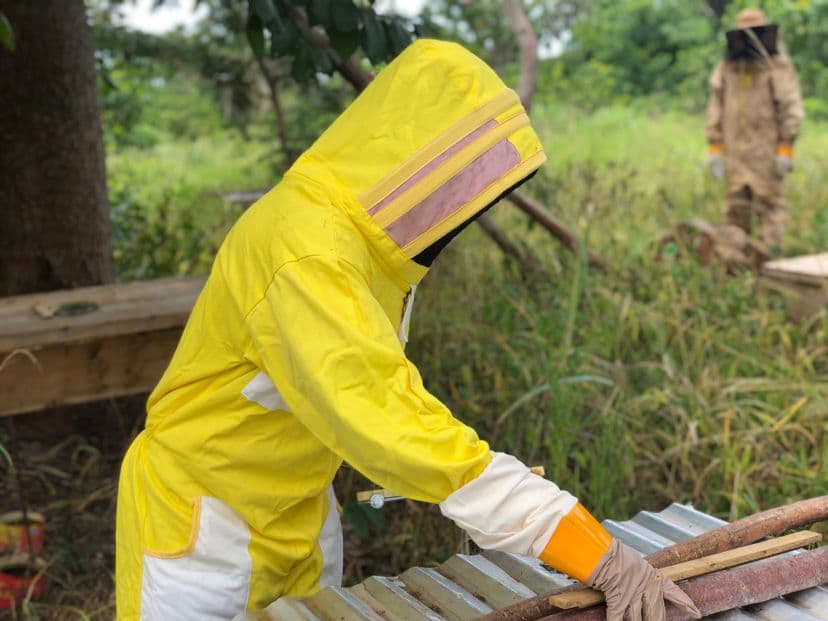
Beelieve Smart Project — Teacher Mante
Futere of Integrating Indigenous Knowledge
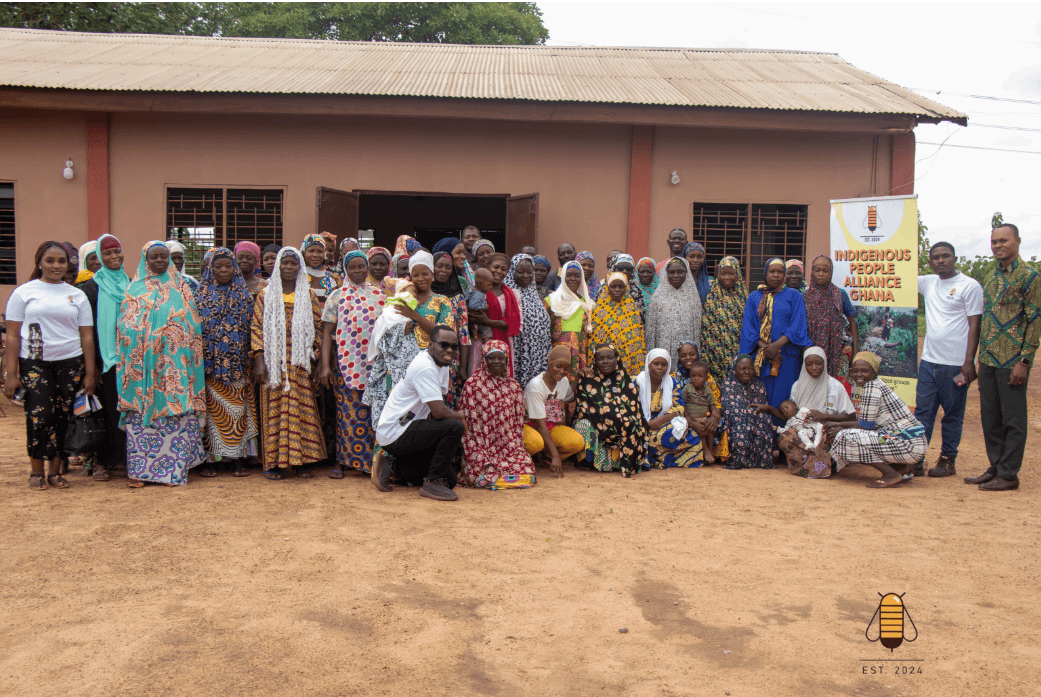
Promoting the Use of Indigenous Knowledge
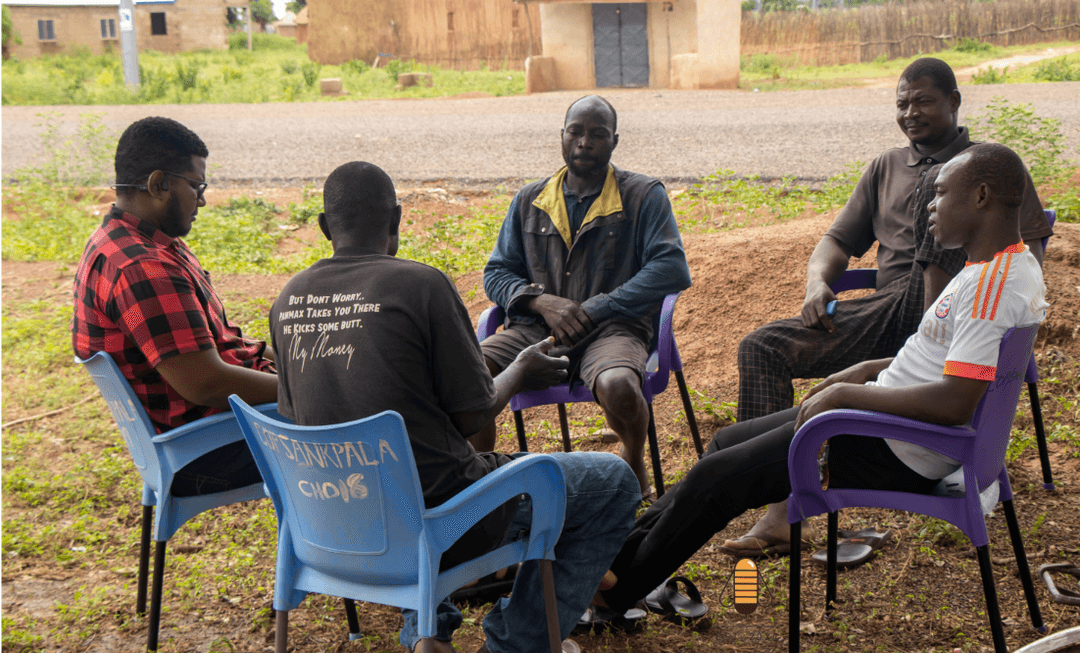
Methodologies for Uncovering Indigenous Knowledge
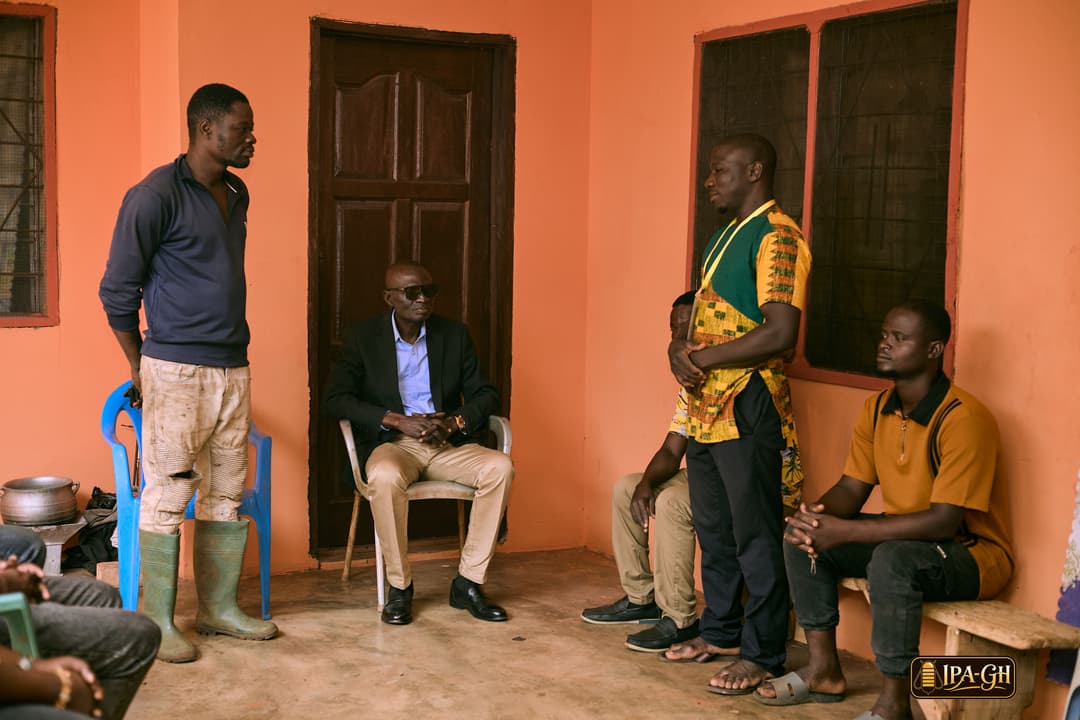
Lobbying Strategies for Climate-Affected Farmers
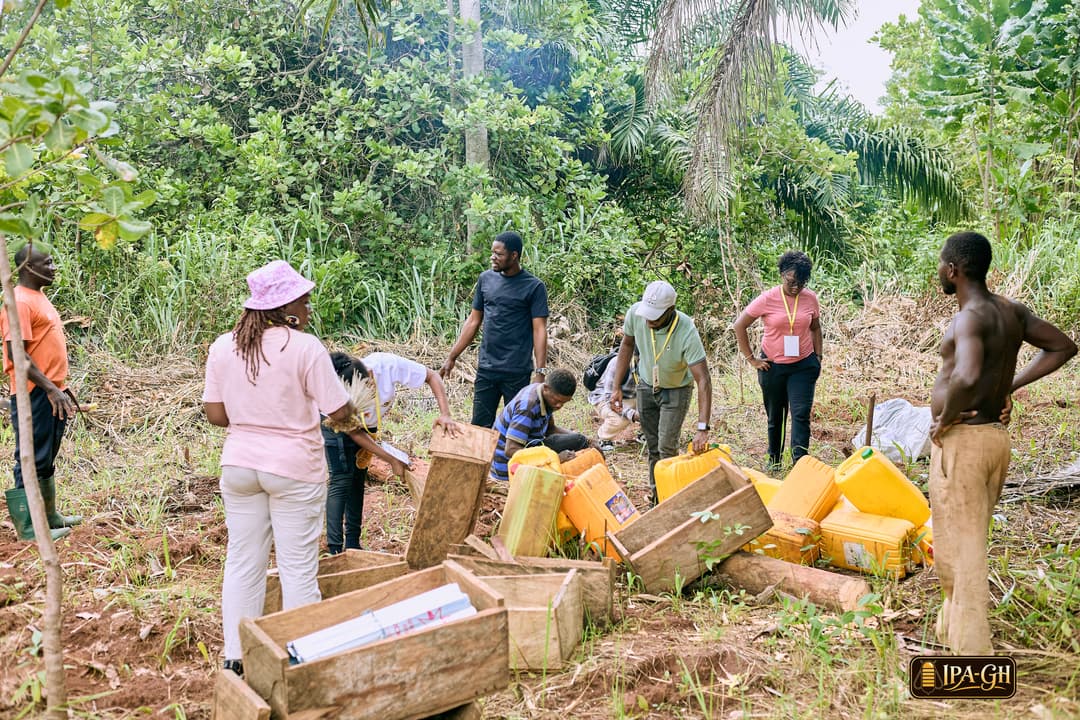
Impacts of Beekeeping in Indigenous Communities